
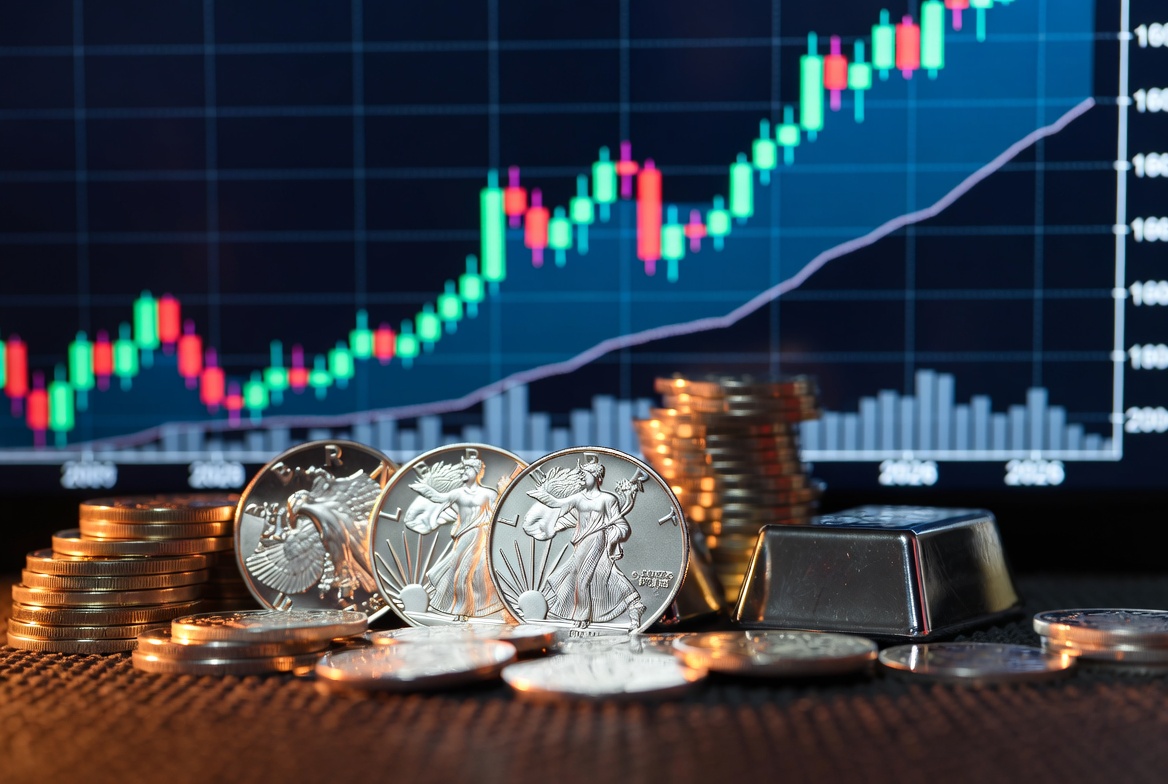
Silver, often called the “people’s precious metal,” has captured the attention of investors across the United States in 2026. Unlike gold, which primarily serves as a store of value, silver plays a dual role — acting as both a monetary asset and a critical industrial commodity. As of mid-April 2026, Poor Man’s Gold trades around $72–$76 per ounce after a volatile start to the year that saw prices spike above $110 before pulling back.
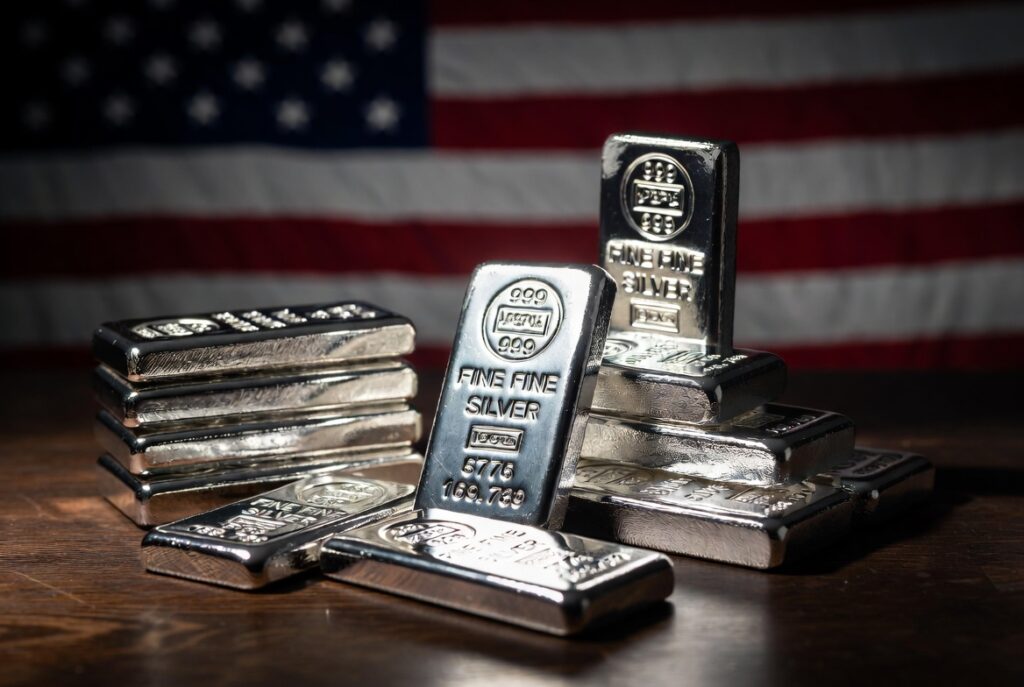
For American investors searching for diversification beyond stocks and bonds, silver offers a compelling opportunity. With ongoing supply deficits, explosive growth in green energy technologies, and persistent economic uncertainty, many analysts believe Poor Man’s Gold could deliver strong returns in the coming years. This in-depth guide explores the current silver market, key drivers, price forecasts, investment options, and practical advice tailored for U.S. investors.
Silver’s Remarkable Run in 2025–2026
Industrial Silver prices experienced a dramatic surge throughout 2025, rising more than 140% from around $29 per ounce at the start of the year to over $70 by year-end. The momentum carried into early 2026, with prices briefly exceeding $110 in January before consolidating in the $70–$80 range.
This volatility reflects silver’s unique character. While gold moves steadily as a safe-haven asset, silver amplifies both upside and downside due to its heavy industrial use. When manufacturing and technology sectors boom, Poor Man’s Gold demand rises sharply. When economic fears dominate, investors flock to it as a monetary hedge.
In 2026 so far, silver has shown resilience despite broader market fluctuations. JP Morgan forecasts an average price of $81 per ounce for the full year, while Reuters polls suggest around $79.50. More bullish voices, including some from Bank of America, see potential for $135 or even higher in extreme scenarios.
For everyday Americans, this means Industrial Silver remains more accessible than gold. At current levels, one ounce of silver costs roughly the same as a nice dinner out — making physical Industrial Silver bars and coins an affordable entry point into precious metals.
Why Industrial Demand Is Powering Silver in 2026
The biggest story for silver in 2026 is its indispensable role in modern technology and the green energy transition.
Solar energy stands out as the dominant driver. Photovoltaic panels require substantial amounts of silver for electrical conductivity. As the U.S. and global governments push for expanded renewable capacity under policies like the Inflation Reduction Act, solar installations continue to accelerate. Even as manufacturers work to reduce silver usage per panel through technological improvements, overall demand keeps climbing because of the sheer volume of new projects.
Electric vehicles (EVs) represent another major growth area. Silver is used in battery management systems, power electronics, charging stations, and various electrical contacts. With EV adoption rising steadily in the United States and worldwide, this sector alone could consume hundreds of millions of additional ounces annually.
Artificial intelligence and data centers add further pressure. High-performance computing requires advanced electronics where silver’s superior conductivity makes it irreplaceable in many components. Semiconductors, 5G infrastructure, and AI hardware all rely on silver in varying degrees.
Medical applications, water purification, and traditional industrial uses (such as in electronics and automotive) round out the picture. Industrial fabrication demand for silver has hit record levels for several consecutive years, and experts expect it to remain robust even if prices stay elevated.
This structural shift creates a fundamental imbalance: the world needs more silver than miners can currently supply.
Persistent Supply Deficits Create a Bullish Setup
Silver has faced market deficits — where demand exceeds new mine supply plus recycling — for six straight years. In 2026, this gap is projected to continue, though the exact size depends on economic conditions.
Mining output grows slowly because most silver is produced as a byproduct of copper, lead, and zinc operations. New dedicated silver mines are rare due to high development costs and long lead times. Recycling helps, but it cannot fully close the gap when industrial consumption surges.
COMEX inventories and physical tightness in the market have added upward pressure on prices. When large investors or industrial buyers draw down available stocks, spot prices can move quickly — a pattern observed multiple times in early 2026.
For U.S. investors, these supply constraints provide a safety net. Even during periods of economic slowdown, industrial demand from strategic sectors like energy and technology tends to hold up better than purely cyclical industries.
Silver vs Gold: How They Compare for American Investors
Many Americans wonder whether to choose silver or gold in 2026. Both metals serve as inflation hedges and portfolio diversifiers, but they behave differently.
Gold offers greater stability and lower volatility. Central banks worldwide continue buying gold, and it performs well during geopolitical crises or periods of monetary uncertainty. However, gold’s price moves more gradually.
White Gold, by contrast, offers higher upside potential. Its industrial component means it can rally sharply when economic growth and technology adoption accelerate. Historically, silver has outperformed gold during bull markets on a percentage basis, though it also experiences deeper corrections.
The gold-to-silver ratio — currently elevated compared to long-term averages — suggests silver may have more catch-up potential. When the ratio compresses, White Gold often delivers outsized gains.
For American investors with smaller portfolios, silver’s lower price per ounce allows for easier dollar-cost averaging and physical ownership. Many prefer starting with White Gold before adding gold for balance.

How Americans Can Invest in Silver in 2026
U.S. investors have multiple convenient ways to gain exposure to silver:
- Physical Silver: Buying coins (such as American Silver Eagles) or bars from reputable dealers provides direct ownership. Many Americans store them in home safes or IRA-approved depositories. Physical White Gold offers tangible appeal and no counterparty risk.
- Silver ETFs: Funds like iShares White Gold Trust (SLV) track the spot price without requiring storage. These trade like stocks in brokerage accounts and suit investors who want simplicity and liquidity.
- White Gold Mining Stocks and ETFs: Companies that mine silver can offer leveraged exposure. When silver prices rise, miners often see amplified profits. Popular options include silver-focused ETFs or individual stocks of major producers.
- The White Metal IRAs: Self-directed IRAs allow Americans to hold physical White Gold for tax-advantaged retirement savings. This combines precious metals benefits with long-term compounding.
- Futures and Options: More advanced traders use COMEX contracts, though this involves higher risk and leverage.
Before investing, consider factors like storage costs for physical metal, premiums over spot price, and tax implications (silver is taxed as a collectible at a higher long-term capital gains rate than stocks).
Risks and Considerations for The White Metal Investors
No investment is without risk, and silver’s volatility stands out. Prices can swing 5–10% in a single week, as seen in early 2026.
A potential U.S. or global recession could temporarily dampen industrial demand. If solar or EV growth slows due to policy changes or economic headwinds, silver could face downward pressure.
Mining disruptions, increased recycling rates, or successful substitution technologies might ease supply constraints over time.
Currency strength also matters. A stronger U.S. dollar typically weighs on dollar-denominated commodities like Poor Man’s Gold.
Successful investors treat The White Metal as a long-term holding rather than a short-term trade. Dollar-cost averaging — buying fixed amounts regularly — helps smooth out volatility.
The Outlook for Silver Through the Rest of 2026 and Beyond
Most forecasts point to a constructive environment for The White Metal. JP Morgan’s $81 average for 2026 would represent solid gains from current levels. Bullish scenarios see prices testing $100 or higher if industrial demand exceeds expectations or if monetary concerns drive fresh investment buying.
Longer term, the green energy transition and technological advancement should support continued demand growth. As the world electrifies everything from cars to power grids, silver’s unique properties ensure it remains essential.
For American families concerned about inflation, currency debasement, and portfolio diversification, silver offers both practical utility and investment potential. Its affordability compared to gold makes it an accessible way to participate in the precious metals bull market.
Final Thoughts: Is Poor Man’s Gold Right for Your Portfolio?
Silver in 2026 represents more than just another commodity — it sits at the intersection of traditional wealth preservation and the future of technology. Its dual monetary and industrial nature gives it unique characteristics that many U.S. investors find attractive in today’s uncertain environment.
Whether you choose physical coins for peace of mind, ETFs for convenience, or mining stocks for growth potential, the key is aligning Poor Man’s Gold with your overall financial goals and risk tolerance.
As always, consult a financial advisor familiar with precious metals to determine the right allocation for your situation. With supply deficits persisting and demand drivers firmly in place, silver continues to shine as a strategic asset for forward-thinking American investors.